


Selecting the wrong platform grating can lead to costly structural failures, potential safety violations, and production delays. In high-load environments—from refineries and chemical plants to power stations and marine docks—your flooring solution directly impacts performance and compliance.
This guide walks you through the process of choosing the perfect platform grating based on load capacity, environment, safety codes, and material composition—helping you minimize engineering errors. With insights from Earth Tech Engineering Works, a leading grating manufacturer in Gujarat, you’ll learn how to make an informed, compliant, and cost-effective choice.
Understanding Platform Grating Basics
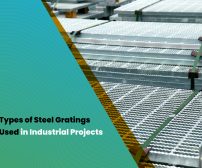
Platform gratings are an important aspect of many industrial applications, including walking surfaces (ie, walkways & catwalks), service platforms, and mezzanine floors. These types of floor systems have been designed with open mesh patterns to drain away (which means no water buildup), to create skid-resistant surfaces and to allow for ventilation of heat and moisture for better safety and more convenient maintenance.
A recent study by the IMARC Group on the Indian steel grating market states that the projected revenue growth of this industry will exceed $7.2 BILLION by 2033 due to increasing industrialisation and expansion of infrastructure within India
Key Types of Platform Gratings:
WELDED BAR GRATING: The welded bar grating consists of bearing bars and crossbars that are welded together at high temperatures. This is the best product for dynamic heavy loads.
PRESSURE LOCKED GRATINGS: The pressure locked grating is the best product for both architectural applications and light-duty industrial applications due to its clean finish.
RIVETED GRATING: A riveted grating is best suited to absorb vibrations and impacts caused by mining and shipyard activities.
GRP (GLASS REINFORCED PLASTIC) GRATINGS: A light, corrosion-resistant platform grating that performs well in high-moisture and/or chemical environments.
Key Factors for Choosing the Right Platform Grating
Choosing an inappropriate grating will result in lower safety and extreme wear, as well as being noncompliant. Below are the top considerations to keep in mind before selecting your grating style.
1. Load Capacity and Span
In order to withstand extreme weight, calculate UDL and CL for your specific intended use, which includes foot/traffic, forklift travel, or truck wheel loads.
Typical Span ranges 4-10ft, the minimum design is 250lbs/SF OSHA 1910.22. If creating truck bays, select H-20 rated grates that hold 32000 lbs axle loads [Marco Specialty Steel 2024].
For further deflection limits and associated load charts to eliminate over-stress caused by variable weight, consult the Vulcraft Grating Catalog 2024 [Vulcraft Catalog 2024].
2. Material Selection
Each material option balances strength, weight, and environmental resistance differently.
| Material | Advantages | Limitations | Ideal Applications |
| Carbon Steel (Galvanized) | High load-bearing, economical | Susceptible to corrosion in coastal areas | Factories, refineries |
| Stainless Steel | Excellent resistance to rust and heat | High cost | Food processing, chemical plants |
| GRP/Fiberglass | Lightweight, chemical-resistant, non-conductive | Lower temperature tolerance | Marine, wastewater treatment |
3. Surface Patterns & Slip Resistance
Grating’s design must include either raised tread patterns or serrated surfaces (ASTM F2413 slip resistance level). Indoor areas may use smooth surfaces; however, outdoor areas, as well as areas exposed to oil, will require serrated surfaces.
4. Codes of Conduct for Building & Safety
All global engineering guidelines are to be followed regarding:
- OSHA 1910.22: Walking-working surface standards
- BIS IS 875-1987: Dead and live load design guidelines
- ISO 14122-2: Permanent means of access to machinery
In addition, failure to comply with the above guidelines has resulted in many documented workplace accidents. For instance, a 2020 BSEE (Bureau of Safety and Environmental Enforcement) safety alert documented two deaths as a result of a corroded grating on an offshore platform; thus, placement and regular maintenance of materials must be taken very seriously.
Best Practices for Installation and Maintenance
When properly installed, products will have increased longevity and deliver the expected performance.
- Use of secure fixing clips can help to eliminate vibration and slippage.
- Apply edge banding plates on the ends of open gratings.
- Ensure that all products meet the span-deflection limits of L/400 for structural rigidity.
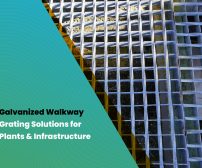
- For additional corrosion protection, steel that is exposed should be hot-dipped galvanized.
- Inspect all products regularly for signs of surface fatigue and corrosion at welding points.
By utilizing IoT systems to implement predictive maintenance, companies can identify areas of product deflection that are beyond safe operating conditions, which will reduce unscheduled shutdowns.
Why Partner with Earth Tech Engineering Works
Earth Tech Engineering Works is one of the most reputable grating manufacturers in India, specializing in the manufacture of precision-engineered platform gratings, GI gratings, and custom bar gratings.
Earth Tech Engineering Works’ products comply with both ISO 9001 and OSHA standards, which will provide maximum safety and performance in a variety of industries, including oil and gas, steel manufacturing, chemical, and power generation. Earth Tech operates in-house design and galvanization facilities, which allow for the fastest possible turnaround time and long-lasting protection for products in the humid and coastal climate of Gujarat.
Conclusion
The right grating is a commitment to perform and be safe, not just a structural decision. Weighing load requirements, material choice, surface treatment, and compliance with regulations, you’ll minimize accidents and maximize your grating lifespan while minimizing total ownership costs.
As an ISO-certified manufacturer of gratings in Gujarat, you can trust Earth Tech Engineering Works for durable gratings designed for rigorous industrial applications.
Looking to improve your platform’s safety? Reach out to Earth Tech Engineering Works today for a custom price quote or design assistance.
Frequently Asked Questions (FAQs)
Q1: How do I calculate the correct platform grating load capacity?
A: Use manufacturer load tables considering both uniform and concentrated loads. For truck-access platforms, always select H-20 or heavier specifications as per OSHA and ASTM A569 guidelines.
Q2: Are GRP platform gratings suitable for extreme industrial loads?
A: GRP excels in corrosion resistance but is suitable for light-to-moderate loads. For forklift or vehicular movement, galvanized steel or stainless-steel gratings are preferred.
Q3: How long does galvanized steel grating last in Gujarat’s weather?
A: Properly galvanized steel lasts 20–25 years, depending on maintenance frequency and coating thickness. Coastal installations may need re-galvanizing every 10–15 years.
Q4: What safety standards should industrial platforms comply with?
A: Key ones include OSHA 1910.22, IS 875 (Part 2) for load design, and ISO 14122-2 for walkways. Working with a certified manufacturer like Earth Tech ensures adherence.
Q5: Why is Earth Tech Engineering Works considered the top grating manufacturer in Gujarat?
A: Earth Tech combines advanced fabrication, in-house testing, and tailored design consultations—offering engineered, compliant, and long-lasting gratings suitable for India’s toughest industrial setups.